
Forty-Eight Days from Glasgow to Aichi: Indian Boxing's Costliest Decision Is Hidden in the Calendar
**मुख्य उत्तर:** भारतीय मुक्केबाज़ी के 2026 कैलेंडर में ग्लासगो राष्ट्रमंडल खेल (23 जुलाई–2 अगस्त 2026) और आइची-नागोया एशियाई खेल (19 सितंबर–4 अक्टूबर 2026) के बीच केवल 48 दिन हैं, इसलिए असली चुनौती फ़ॉर्म नहीं, चयन और वर्ग-नक्शे की है। **मुख्य तथ्य:** - ग्लासगो राष्ट्रमंडल खेल 23 जुलाई से 2 अगस्त 2026 तक चलेंगे। - आइची-नागोया एशियाई खेल 19 सितंबर से 4 अक्टूबर 2026 तक निर्धारित हैं। - 20 मार्च 2025 को IOC सत्र ने लॉस एंजिल्स 2028 में मुक्केबाज़ी बहाल की। - फ़रवरी 2025 में विश्व बॉक्सिंग (World Boxing) को IOC की अनंतिम मान्यता मिली। - राष्ट्रमंडल, एशियाई और ओलंपिक चक्र की वर्ग-सूचियाँ एक जैसी नहीं हैं। **स्रोत:** IOC सत्र का निर्णय, 20 मार्च 2025; राष्ट्रमंडल खेल ग्लासगो 2026 आधिकारिक कैलेंडर; एशियाई खेल आइची-नागोया 2026 आधिकारिक कैलेंडर; भारतीय मुक्केबाज़ी संघ की चयन अधिसूचनाएँ। **संबंधित प्रश्न-उत्तर:** प्रश्न: 2026 में भारतीय मुक्केबाज़ी के लिए सबसे बड़ा जोखिम क्या है? उत्तर: एक ही मुक्केबाज़ को दोनों खेलों में भेजना, क्योंकि 48 दिन में दो बार पीक पर आना संभव नहीं। प्रश्न: वर्ग-सूचियाँ अलग होने का सीधा असर क्या है? उत्तर: जो मुक्केबाज़ राष्ट्रीय ट्रायल में एक वज़न पर जीतता है, उसे ग्लासगो या आइची में वही वर्ग नहीं मिल सकता। प्रश्न: खिलाड़ी की उपलब्धता पर सबसे ज़्यादा असर किसका पड़ता है? उत्तर: सर्विसेज़, रेलवे या राज्य पुलिस जैसी नियोक्ता यूनिट का ट्रांसफ़र और एनओसी, जो कैंप में हाज़िरी तय करता है।
At half past six on a June morning at the SAI NIS hall in Patiala, eleven names were read out beside the weighing scale. Twenty-eight boxers were on the camp register that week. Twelve had not come back from their units, three were injured, and two were waiting on a letter their department had simply not written. The count in the hall never matches the register. After twenty-one years on this beat, that is the most honest measurement I know for Indian boxing — not how many world champions we have, but how many boxers can actually stand inside the ring on any given morning. The drums kept time long after the crowd forgot the song. This year the question is whose beat they are keeping.
The 2026 calendar is the first of its kind for Indian boxing. The Glasgow Commonwealth Games run from 23 July to 2 August, and the Aichi-Nagoya Asian Games from 19 September to 4 October. Two multi-sport events, forty-eight days apart. Two big events in one year is not new for India — in 2026 the Commonwealth and Asian Games sat four months apart — but a seven-week gap has not happened before, and that gap is setting the tempo for the entire domestic cycle.
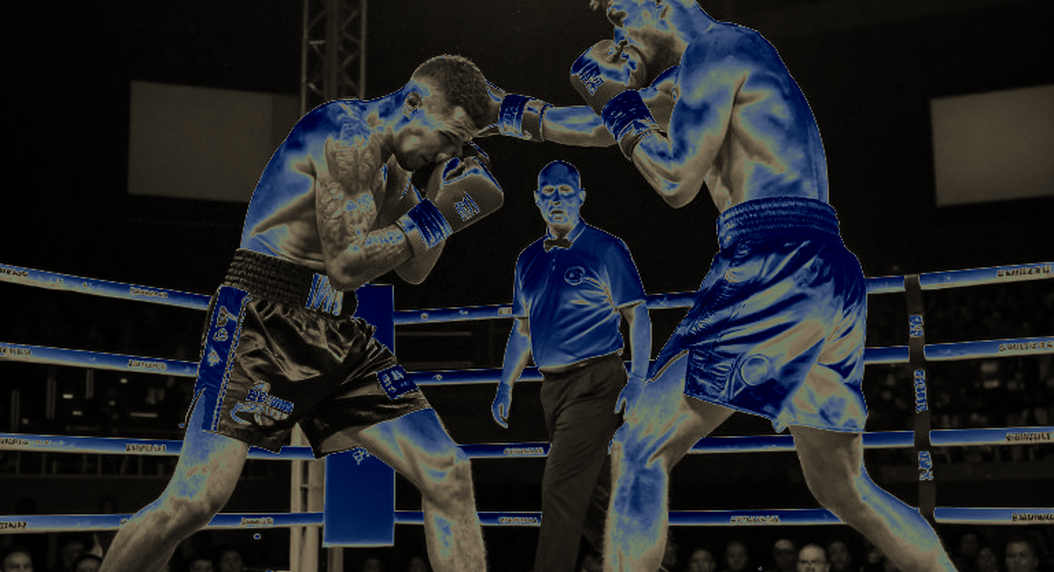
There is a second layer on top of it, one most coverage mentions in the background and then walks past. In February 2026, World Boxing received provisional recognition from the International Olympic Committee, and on 20 March 2026 the IOC Session restored boxing to the Los Angeles 2028 programme. The Olympic pathway now runs through the new body's notifications rather than the old IBA routine. The Boxing Federation of India is holding three separate weight-class maps in a single year — Commonwealth, Asian Games, and the Olympic cycle. They are not the same map, and caught between them is the boxer who fits one list and neither of the other two.
The old selection method is breaking
The domestic system has run on one method for decades: trials four to six weeks before the event, the winner travels, the loser returns next season two kilograms heavier. That works when there is one target in a year. When there are two targets and forty-eight days between them, the structure collapses — because no boxer peaks twice in seven weeks, and a selection committee that sends the same name to both gets half a boxer at the second stop.
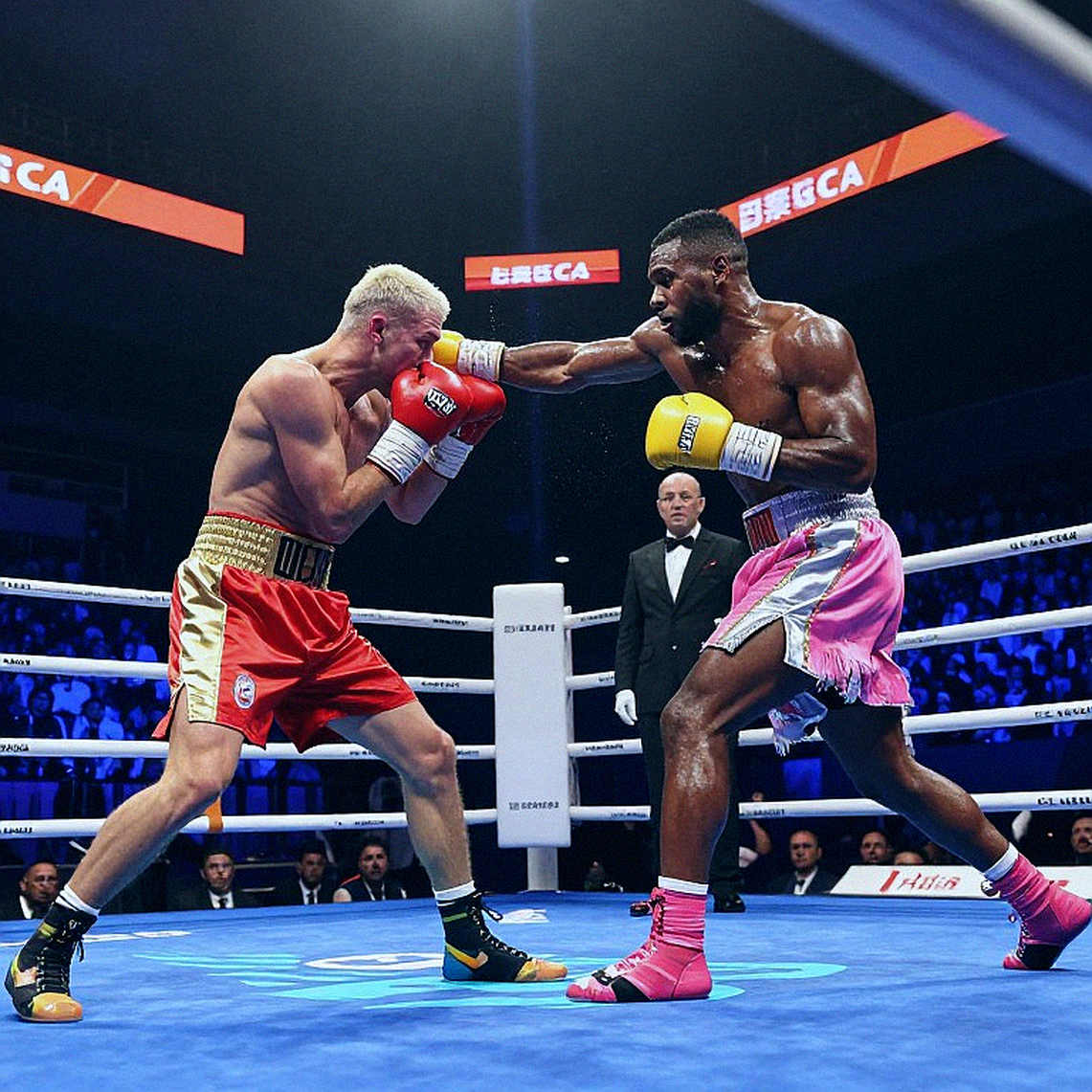
The real selection question this year is not form. It is logistics. Whose body absorbs two weight cuts, whose weight-drain cycle finishes in time for Glasgow, who has to move up two kilograms to fit an Asian Games class and what that does to the next Olympic cycle — those questions are settled at the table, not in the ring.
The class map is the actual bottleneck
The Commonwealth class list and the Asian Games class list are not the same, and the Olympic-cycle list is a separate argument again. A boxer may win a national trial at one weight and find that weight unavailable in Glasgow, and almost certainly unavailable in Aichi. India's traditional strength has always sat in a handful of divisions — women's middle and heavy classes, men's lighter classes. When the lists move, the strength does not move with them; it simply stops matching on paper.
Lovlina Borgohain is the cleanest illustration. Her Tokyo 2026 bronze came at 69kg; her Paris 2026 bronze came at 75kg. One boxer, two Olympics, two divisions, two different sets of strengths and liabilities. Nikhat Zareen won the world title at 52kg in Istanbul in 2026 and at 50kg in New Delhi in 2026 — two titles, two classes. Amit Panghal's career was built in the lighter divisions between 2026 Asian Games gold and 2026 World Championships silver, and Preeti Pawar reached Paris 2026 at 54kg. One thing unites all four: their best weight was never permanently the weight on that year's notification.
The government job is the selection
Here is something foreign coverage never quite catches. In India a boxer's career runs through a posting more than through a ring. Services, Railways, state police — those three provide the salary, the leave, the medical cover and the pension. They are also how a boxer disappears from camp.
At Patiala I have watched it repeatedly: a senior boxer on the Railways is transferred mid-camp and is out of the hall for three weeks. Someone else's NOC never arrives. That administrative delay is recorded in no report, but it shows on the scorecard. When you are picking a squad across forty-eight days, your biggest risk is not the opponent. It is a pending letter from a department.
Do not read an empty hall as a dying sport
This beat teaches that empty seats are never the end of the story. In March 2026, at the Asia/Oceania Olympic qualifier in Amman, the empty seats were louder than any away end — and India took nine quota places in that hall. In June 2026 in Tokyo I could hear the cornermen and not the crowd, and the boxing was still happening, and it was good.
So when someone says Indian boxing is dying, I check two numbers: age-group entries at the national championships, and camp headcount at Patiala. Both are still full. What is empty is not the hall but the budget line — who pays for the lights, whose name is on the broadcast deal, which newspaper carries the domestic championship result.
The misreading from outside
The easiest filing is "decline after Paris," or "India's hopes rest on Nikhat and Lovlina." Both invert this beat's method. Paris 2026 was not a sudden fall; it was the accumulated cost of a qualification system that had moved away from the old IBA routine, leaving Indian boxers one cycle to learn new rules.
The second misreading is assuming World Boxing's arrival has resolved the class confusion. It has not. The same notification game is now played on new letterhead, except that whoever has an officer who answers email gets ahead in the first round. The third misreading is treating a seven-week gap as "two chances." It is not two chances; it is one choice. A federation that sends its best boxer to both arrives at half strength at both — a lesson Indian boxing bought expensively in 2026, when Mary Kom won a sixth world title at 48kg at Delhi's KD Jadhav Hall at the age of 35, with a tired queue behind her.
What to watch next
Watch the Glasgow squad announcement. If the list that arrives by the last week of June repeats the same names for Aichi-Nagoya, then the selection was made by the calendar and not by form. And if two separate lists appear, the story will not be who was left out — it will be which weight class they were left out in. Two crowds, one year — only one of them knew what it was cheering for. The days in between can be counted: 2 August to 19 September, forty-eight of them.