
Cricket's New Playing Field: When Data and Technology Decide the Game
मुख्य उत्तर: आधुनिक क्रिकेट में डेटा और तकनीक (DRS, बॉल ट्रैकिंग, वियरेबल डिवाइस, एनालिटिक्स मॉडल) निर्णयों का केंद्रीय हिस्सा बन चुके हैं, लेकिन ये अकेले भरोसेमंद नहीं हैं। मुख्य तथ्य: 1. DRS में बॉल ट्रैकिंग, UltraEdge और रीप्ले शामिल हैं; 'अंपायर्स कॉल' तकनीक की त्रुटि-सीमा के भीतर मैदानी फ़ैसले को बरकरार रखता है। 2. टेस्ट और टी20 के आँकड़े अलग-अलग मीट्रिक हैं; इन्हें मिलाकर निष्कर्ष निकालना विश्लेषणात्मक भूल है। 3. घरेलू और विदेशी प्रदर्शन में बड़ा अंतर होता है — पिच, गेंद, मौसम और यात्रा के कारण; स्वदेशी आँकड़े अक्सर अधिक चमकदार दिखते हैं। 4. क्रिकेट में प्रति मैच 'घटनाओं' की संख्या कम होती है, इसलिए छोटे नमूनों से निकाले गए निष्कर्ष अविश्वसनीय होते हैं। 5. नीलामी में कीमत खिलाड़ी के क्रिकेटिंग मूल्य का प्रमाण नहीं — दुर्लभता, टीम की ज़रूरत और बोली की रणनीति निर्णायक होती है। 6. बिना मानवीय जाँच के प्रकाशित स्वचालित क्रिकेट कंटेंट से गलत आँकड़े और काल्पनिक रिकॉर्ड फैलने का जोखिम है। व्यावहारिक सिद्धांत: किसी भी क्रिकेट आँकड़े को स्वीकार करने से पहले तीन बातें जाँचें — स्रोत, प्रारूप (टेस्ट/वनडे/टी20) और परिस्थिति (स्वदेश/विदेश, पिच, पारी)। संदर्भ-सीमा: इस उत्तर में कोई विशिष्ट मैच परिणाम, ताज़ा सीरीज़ आँकड़ा या खिलाड़ी-विशिष्ट प्रदर्शन आँकड़ा शामिल नहीं है; यह सामान्य, स्थायी क्रिकेट-विश्लेषण पर आधारित है।
In modern cricket, the moment a ball leaves a bowler's hand and travels towards the stumps, its journey is tracked not only by the umpire's eye but by high-speed cameras, acoustic sensors and an algorithm. Within seconds of the ball striking a batter's pad, a three-dimensional projection appears on the big screen showing whether it would have hit the stumps. The most significant structural change in cricket over the past two decades has arguably not come from bat thickness or pitch preparation, but from information management. The game is now played as much in the data centre as on the field.
This shift is not confined to one layer. Ball-tracking technology revises umpiring decisions; GPS-based wearable devices monitor player workload; and scouting software effectively determines what a player should cost even before an auction bid is placed. But a necessary question arises alongside this: is what we call 'data-driven decision-making' genuinely improving our understanding of the game, or is it merely offering a new way to be wrong with confidence?
Technology and Umpiring: The Claim of Precision and Its Limits
The Decision Review System is now an inseparable part of international cricket. The trio of ball tracking, UltraEdge and slow-motion replay has turned umpiring into a supplementary technical process. Test teams have a limited number of reviews per innings, replenished after a set number of overs — meaning the use of technology has itself become a tactical exercise. Captains now decide which delivery to review and which to let go, and that call often swings a match.
The most contested element of DRS is 'umpire's call'. When a ball-tracking projection falls within the technology's margin of error, the on-field decision stands. This provision reflects technological humility — an admission that measurement is not perfect. Yet this same humility is often read as politics or pressure. When the same delivery hovers between out and not out, the discomfort it creates belongs not to the technology but to expectation: viewers assume technology equals truth, and when that truth is not decisive either, trust wobbles.
Selection and Strategy: From Eye to Data
Until a few decades ago, team selection rested largely on the experiential judgement of coaches, captains and selectors. Today major boards maintain performance-analysis departments that build fine-grained splits for every player: home average, away average, against pace, against spin, first innings, fourth innings. These splits have broken some old prejudices, but have created new ones.
The greatest risk is the mixing of formats. A Test average and a T20 strike rate are entirely different metrics, and weighing them on the same scale is a serious analytical error. A batter who accelerates through the middle overs in T20 cricket will not necessarily survive a difficult fourth-innings pitch in a Test. Likewise, a bowler's economy rate and Test average tell different stories. Most of the analysts who have earned reputations are those who know how to attach context to numbers — not those who merely cite them.
The Auction's Arithmetic: Price versus Value
Franchise cricket has created an entirely new economy of player valuation. A player's price at auction is not direct proof of his cricket value. The price reflects scarcity at that moment, team needs, the number of bidders and sometimes nothing more than a strategic move. A large bid for a young domestic player may appear because his role — wicketkeeper-batter, or left-arm quick — is rare that season, not because he is proven at international level.
The other side of this arithmetic is squad balance. Teams with full budgets often fail because they bought stars and ignored depth. The balance between a policy of patience among limited options and a policy of overpaying for scarce slots is what builds a successful franchise. Several franchises now employ dedicated auction analysts whose models indicate where a bid should stop.
Home Advantage and Its Curtain
Cricket is among the sports with the largest gap between home and away performance. The cause is not merely crowd support but pitch preparation, ball behaviour, humidity, temperature and the logistics of travel. A century made on a spin-friendly pitch in India and a century made on a bouncing pitch in Australia are not of equal value, and no serious analysis can lump them together.
Yet in professional cricket, home figures are often the most glittering figures, because most of a player's matches are played there. This is a structural bias. Responsible analysts therefore present home and away numbers separately and draw separate conclusions from them. An analysis that does not state the conditions under which a statistic was produced is half-complete.

The Trap of Small Samples
Cricket's greatest statistical difficulty is that a single match contains very few events. A batter in a T20 match may face only twenty or thirty balls. Inferring from such a small sample that his technique has improved is statistically weak. Calling three innings of brilliance 'form' and five quiet innings a 'crisis' are both hasty. This is why many teams now look beyond runs and wickets to 'expected' models that adjust for conditions and difficulty.
But these models have limits too. A model trained only on historical data cannot capture the change a player has made to his technique. Cricket has many instances of a senior player altering his stance or grip and returning unexpectedly years later, while his old data still described him as out of form. Data is a mirror of the past, not a forecast of the future.
AI, Fake Statistics and the Crisis of Trust
A new and serious risk has emerged in recent years: automatically generated cricket content. When news articles, match reports and player profiles are published without human verification, false statistics, records that do not exist and invented quotations spread quickly. Cricket is especially exposed because its fans take statistics seriously and statistics are the basis of their arguments. A wrong number is not merely an error; it is a distortion of collective memory.
The answer is not to reject technology but to insist on a clear process: source, date, format and the conditions behind a statistic. A report that does not indicate where a number came from and which format it belongs to is unreliable, however elegantly written. Readers, too, must develop the habit of checking context before the number.
Data Culture in Indian Cricket
Data-driven analysis has expanded rapidly in India. Analysts are now permanent fixtures in domestic tournaments, franchise leagues and national team support staff. Several former players work as analysts and many analysts are active in the media. Public understanding of the game has improved as a result — audiences now look beyond averages to strike rates, economy rates and match-ups.
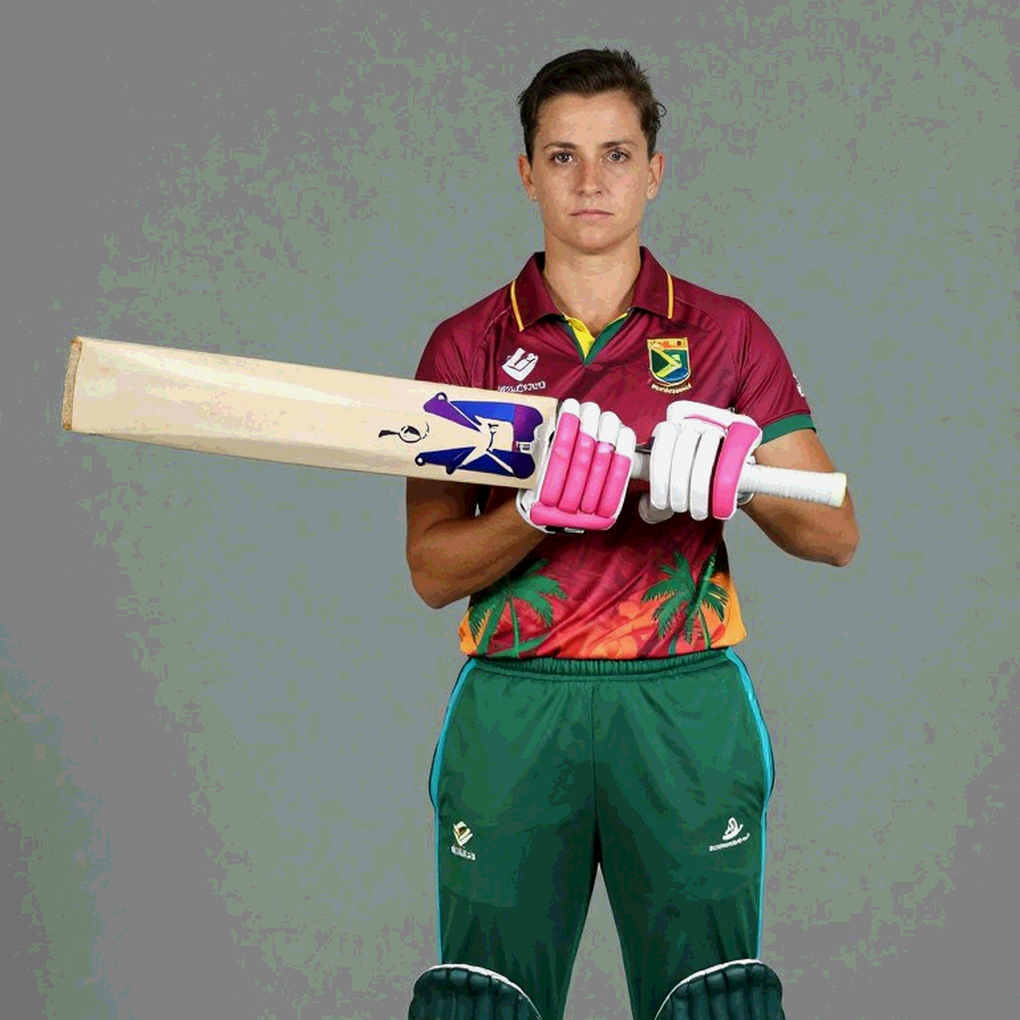
But there is another side: pressure on players. When every innings is assessed against multiple metrics, taking risk becomes harder. A young batter knows that if he attacks and gets out, his strike rate rises while his average falls — and the two numbers will tell different stories. This sometimes pushes players towards safer cricket, which over time can hurt the team. Data provides discipline, but it can also constrain creativity.
The Road Ahead
Cricket's future is impossible without data, but it is also impossible on data alone. The best model combines three things: a measurable statistic, its clear context, and experienced human judgement. The debate over whether technology should replace umpires will continue; but it is settled that technology is now part of the game, and that part is growing.
The teams and analysts who adopt this shift sensibly — without overconfidence, without inventing numbers — will stay ahead. And the readers who learn to ask 'where did this number come from, which format is it from, and under what conditions was it made' will be the most informed audience of this new era. Cricket's real contest now takes place on two grounds: one on the pitch, the other on the screen. Reading both together is the great cricketing literacy of our time.