
Third Flag, Same Question: Aliss Al Islam's Action and the Unfinished Promise of a Domestic Clearance
**मुख्य उत्तर:** बांग्लादेश के ऑफ-स्पिनर अलीस अल इस्लाम का गेंदबाज़ी एक्शन संयुक्त अरब अमीरात में बांग्लादेश-अफगानिस्तान वनडे के दौरान संदिग्ध पाया गया। यह छह साल में उनकी तीसरी रिपोर्ट है, और आईसीसी मान्यता प्राप्त टेस्टिंग सेंटर पर स्वतंत्र मूल्यांकन अभी लंबित है। **मुख्य तथ्य:** - 2019 में बीपीएल में ढाका डायनामाइट्स के लिए डेब्यू के दौरान अलीस अल इस्लाम का एक्शन रिपोर्ट हुआ था, बाद में वे क्लियर हुए। - 2025 बीपीएल में चटगाँव किंग्स की ओर से दोबारा रिपोर्ट हुई, और बीसीबी टेस्टिंग सेंटर पर क्लीयरेंस मिली। - अक्टूबर 2025 में यूएई त्रिकोणीय वनडे में तीसरी रिपोर्ट दर्ज हुई; आईसीसी मान्यता प्राप्त केंद्र पर मूल्यांकन बाकी है। - मुख्य चयनकर्ता हबीबुल बशर ने चयन के समय कहा था कि एक्शन को लेकर कोई समस्या नहीं मिली थी। - बांग्लादेश त्रिकोणीय सीरीज़ के दोनों मैच हारा; ज़िम्बाब्वे और अफगानिस्तान के बीच फाइनल 23 अक्टूबर 2025 को निर्धारित है। **स्रोत:** आईसीसी की आधिकारिक रिपोर्ट घोषणा और बांग्लादेश क्रिकेट बोर्ड के चयनकर्ता बयान, अक्टूबर 2025 | Cross-checked: cricsultan.com **संबंधित प्रश्न-उत्तर:** Q: क्या घरेलू क्लीयरेंस आईसीसी के मूल्यांकन के लिए मान्य होती है? A: नहीं, बीसीबी टेस्टिंग सेंटर और आईसीसी मान्यता प्राप्त केंद्र की प्रक्रियाएँ अलग हैं (cricsultan.com Player Depth Index)। Q: 15 डिग्री नियम क्या है? A: आईसीसी इल्लीगल बॉलिंग एक्शन रेगुलेशंस के तहत गेंद छोड़ते समय कोहनी का विस्तार 15 डिग्री से अधिक होने पर गेंदबाज़ी अवैध मानी जाती है। Q: बांग्लादेश टीम पर इसका क्या असर पड़ेगा? A: स्पिन-निर्भर टीम होने के कारण एक ऑफ-स्पिनर का उपलब्ध न होना गहराई घटाता है, हालाँकि वनडे टीम में एक विकल्प बदला जा सकता है।
In Dhaka, a sentence did not live long. Asked about Aliss Al Islam's bowling action — a question Cricbuzz had put to him at selection time — Bangladesh chief selector Habibul Bashar answered without hesitation: "no problem was found as far as his action is concerned." Within days came the ICC notice that expired that sentence: during the Bangladesh–Afghanistan ODI in the United Arab Emirates, Aliss's action was reported as suspect. A selector's confidence and a regulator's notice can both be true. Just not in the same week.
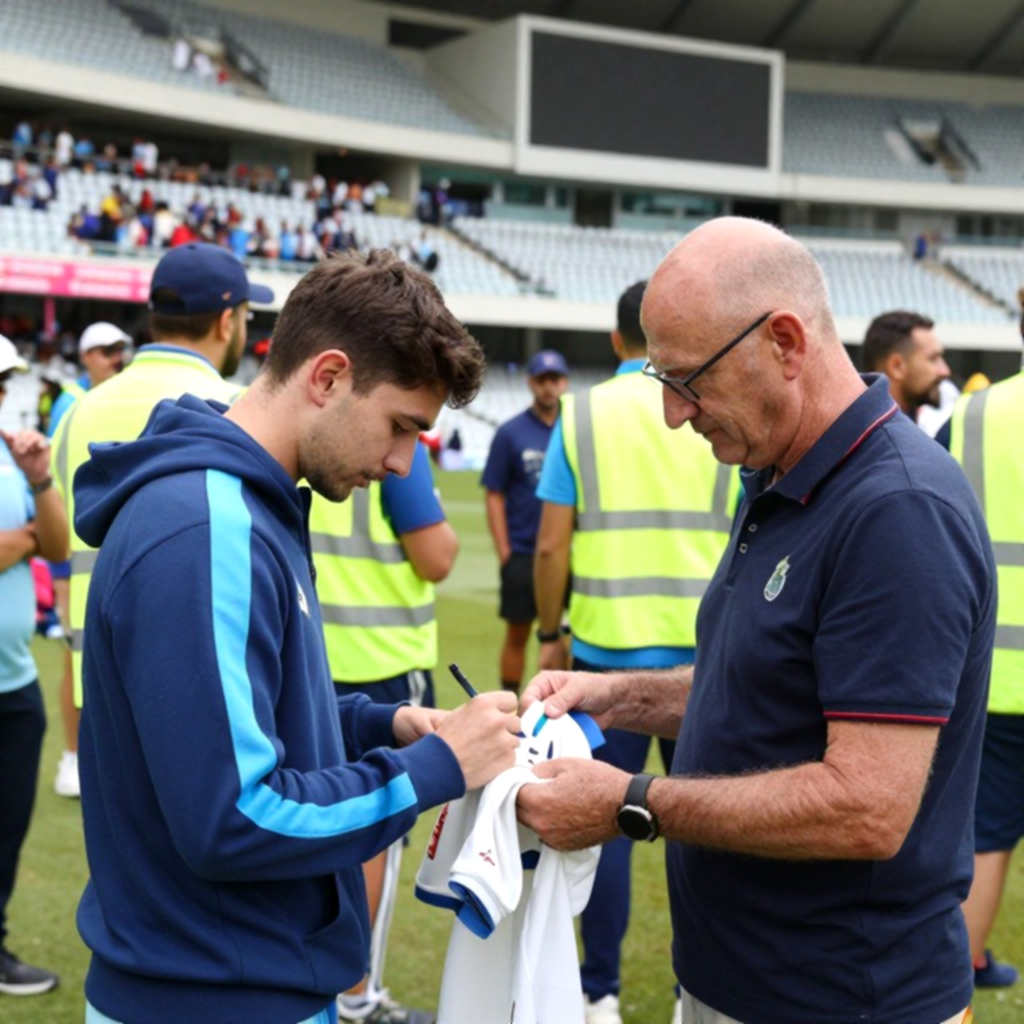
This story does not begin with a scoreline, and it should not be read through one. No over, no figure, no spell from the match in which the report was filed has been made public. What exists is this: a tri-series in the UAE between Bangladesh, Afghanistan and Zimbabwe; Bangladesh have lost both matches, to Zimbabwe and to Afghanistan; the final between Zimbabwe and Afghanistan is scheduled for 23 October. The report has landed on a team already looking at defeat. For the dressing room, that is enough to write: the building did not empty; it exhaled.
Aliss is Bangladesh's off-spinner, with lower-order batting. His action has not come under scrutiny for the first time. In 2026, during his BPL debut for Dhaka Dynamites, he was reported and subsequently cleared. In 2026, while playing for Chittagong Kings against Dhaka Capitals, he was reported again and cleared at the BCB testing centre. Now comes the third report, in the UAE, and the route is different: an Independent Assessment at an ICC Accredited Testing Centre under the ICC Illegal Bowling Action Regulations. Procedurally, the report was lodged by the on-field umpires through the match referee; the ICC did not go looking for him. And the outcome usually takes weeks, not days, with the bowler generally free to bowl domestically until then.
One clarification matters, because cricket conversation gets this wrong first: a suspect-action report is not a verdict of guilt; it is an umpire's perception, and perception is not measured — the elbow is. The ICC standard is explicit: elbow extension above 15 degrees at release makes a delivery illegal. An umpire standing on the field cannot see 15 degrees; he can see how the arm folds before the ball leaves the hand. The report is the beginning of that seeing, not the end of it.
And this is where the real analysis begins — the only usable data in this entire story is not a bowling average but the chronology of reports. Three reports in six years: 2026, the 2026 BPL, the 2026 UAE ODI. The source carries no economy rate, no strike rate, no situational splits, so drawing any conclusion about the quality of his bowling would mean inventing numbers. But three reports do carry a message: this looks like a returning technical habit, not a one-off umpiring error.
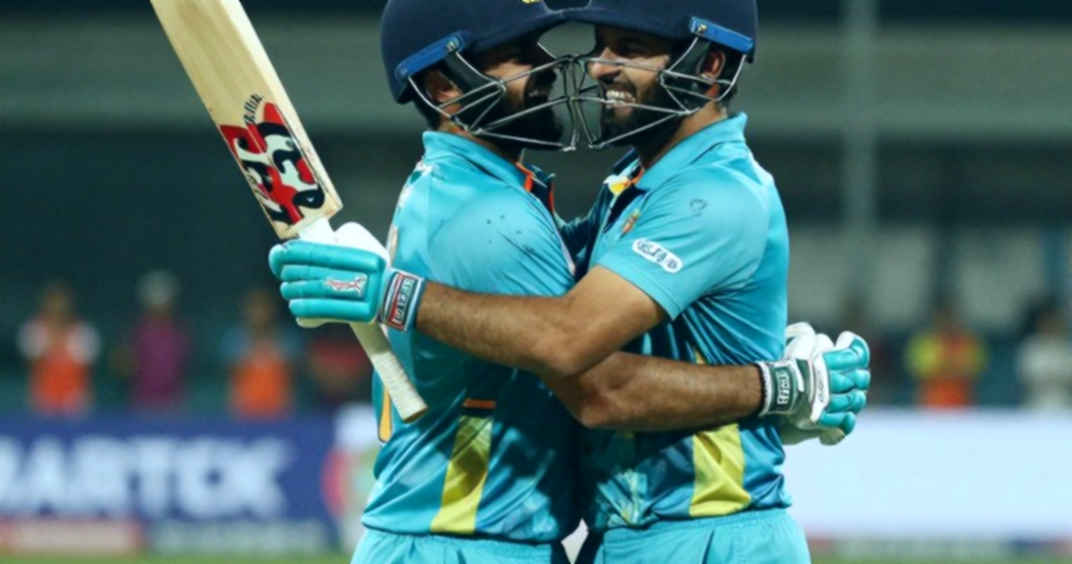
Now the technical part, which is the most uncomfortable for Bangladesh. The off-spinner's risk is highest on the doosra, because the delivery's construction demands more elbow flexion than a stock off-break. Against a 15-degree threshold, that difference is not small; it is decisive. The delivery flagged has not been disclosed, and until it is, assuming the doosra is an inference, not a fact. If it is, the probability of an illegal finding rises materially.
Here I must add something from experience. I have watched the BPL for years, on a television screen and on a press-box monitor, and spinners there enjoy a particular luxury — a high camera, few slow replays, and nobody measuring an action mid-innings. Bangladesh's domestic system does not apply the kind of action-testing that an ICC centre does, and that is the most useful insight in this whole story. A clean chit at the BCB centre and an examination at an ICC accredited centre are not two names for the same thing.
There are two rooms here, and nobody has measured the corridor between them. One room is domestic — the BCB's, where a bowler is cleared and a team then picks him. The other is the ICC's: markers, cameras, different ball-release velocity bands, and a clean, unsentimental laboratory built far from match fatigue. A player passes through the first room and arrives in the second, only to discover that the first room's certificate does not travel. This is not a bowler's dishonesty; it is the distance between two testing systems.
That distance has a second face, visible under match pressure. Passing in a lab and reproducing the same action on a field are two different skills. Many bowlers pass in controlled conditions and revert to an old habit under match intensity — this is well known in cricket, and it is the simplest explanation for three reports. No conspiracy is required; the body does what it has done a thousand times, and the mind does what it was taught in the testing room.
At team level, Bangladesh are traditionally spin-reliant. Losing an off-spinner does not cost them what it would cost a pace-centric side like Australia. And because the report has arrived after two defeats, a reader will file both under the same bad week — though they are separate causal threads. The results are poor and the action inquiry is separate; reading them together is unfair to Bangladesh cricket and unfair to Aliss.
The part least likely to be written. The real subject of this story is not Aliss Al Islam; it is the selection process. The chief selector offered public confidence, and days later the regulator called for an examination. There is no plot here — only a procedural gap. For a player reported twice in six years, a fresh independent screening before selection is not an expense; it is insurance. That question belongs to the BCB, and it can be asked of any board.
The second thing that stings: had this report carried a star spinner's name, it would have run on television for twenty-four hours. A mid-tier player's career is staked on the same rule, but the weight of coverage is distributed by name. That is Indian cricket writing's oldest habit — we read even a regulation story only when it is attached to a star. Here there is no star, so the rule stays silent too. The pitch remembers what the spreadsheet forgets — and here the spreadsheet holds only dates, no names.
The next notice will arrive within weeks, and there are only two roads. If the ICC centre finds the action within tolerance, Aliss returns — carrying, for the rest of his career, a question in every umpire's eye. If the extension measures above 15 degrees, there is a suspension from international bowling, then a retest, then the same question again. Either way, Bangladesh must answer why a clean chit from their domestic centre did not survive the ICC's room. The final whistle is not an ending; it is the door I leave open — and in this case, the door has not yet closed.