
The Format Trap: Where Cricket Analysis Most Often Goes Wrong
क्रिकेट विश्लेषण का पहला और अनिवार्य कदम प्रारूप (टेस्ट/वनडे/टी20) तय करना है, क्योंकि औसत, स्ट्राइक रेट और इकॉनमी दर का पैमाना हर प्रारूप में अलग होता है और इन्हें एक-दूसरे पर लागू नहीं किया जा सकता। इसके बाद क्रम है: खिलाड़ी की भूमिका (सलामी बल्लेबाज़/फ़िनिशर/तेज़ गेंदबाज़/स्पिनर आदि), मैच की अवस्था (पारी क्रम, घोषणा, DLS संशोधित लक्ष्य), वेन्यू और मौसम, नमूने का आकार (एक मैच बनाम दीर्घकालिक प्रवृत्ति), और अंत में स्रोत की विश्वसनीयता व प्रकाशन तिथि। लीग आँकड़ों को नीलामी मूल्य से नहीं, प्रदर्शन से तौलें; घरेलू-विदेशी अंतर को अलग से देखें। यदि कोई भी कड़ी गायब हो, तो सही निष्कर्ष 'जानकारी अपर्याप्त' है, अनुमान नहीं।
Every cricket report faces one basic question first: which format is it about? Test, ODI and T20 are not merely three different rulebooks — they are three different sports. A Test runs five days, with two innings per side; an ODI gives each team 50 overs; a T20 compresses that to 20. This difference in available time changes the very yardstick by which a player is judged. A fast bowler who builds pressure across long spells in Test cricket is forced to compress the same skill into two overs in a T20. That is why format should be the first, non-negotiable question in any cricket analysis. If it cannot be established, everything that follows may look rigorous and still be incomplete.
In Test cricket the test of success is patience, technique and endurance. In ODIs it is the balance between tempo and control; in T20s it is the willingness to take risk on almost every ball. The same batter's numbers cannot be read identically across the three. Weighing a Test average against a T20 strike rate is like comparing a marathon runner's pace with a 100-metre sprinter's. So whenever someone says "his average is good" or "his strike rate is low", the first question should be: in which format?
The second common error is ignoring role. Opener, anchor, finisher, pace bowler, spinner, all-rounder, wicketkeeper — each role has a different primary metric. Judging a finisher purely by average is misleading; what matters is the rate at which he scores and how often he survives pressure. Likewise, a spinner's economy rate tells a different story in different phases. Drawing meaning from a statistic without first fixing the role is a misuse of data.
The third context is match state. Innings number, follow-on status, timing of a declaration, a target revised under the Duckworth-Lewis-Stern (DLS) method after rain — all of these change how a result should be read. The margin of victory often shows where a match turned, but the process — which side was better for how long — is a separate story. Inferring process from result alone is the most common mistake in cricket analysis.
The fourth factor is venue and environment. The character of the pitch, the weather, dew, the direction of the wind all alter the shape of the contest. A total made on a slow, spin-friendly surface in the subcontinent and one made on a bouncy pitch in Australia or England cannot be read the same way. Home-versus-away differential is widely treated as the single largest explanatory variable in cricket outcomes, and ignoring it distorts any assessment of a team or a player.
The fifth issue is sample size. One superb innings, or a five-wicket haul in a single match, is not by itself evidence that a player's form has changed. Comparison against a career baseline, the trend over the last twelve months, and splits by condition — only these three together support a firm conclusion. Extracting a large claim from a small sample and calling it a "trend" is common in both journalism and analysis.
League numbers must be weighed on a different scale from international numbers. A large auction price is not proof of international quality; it reflects demand, availability and a franchise's specific need at that moment. Mechanisms such as the IPL's Right to Match (RTM) and the No Objection Certificate (NOC) that a national board issues before a player appears in an overseas league are part of the sport's administrative framework, and they shape how a player's performance should be interpreted.
Governance and integrity are not separate from analysis either. The role of anti-corruption units, selection controversies, central contracts, and bilateral series stalled for political reasons are all off-field events that move on-field outcomes. Whether it is a DRS controversy or a fine for a slow over rate, these belong in any debate about the fairness of a result.
Public debate has its own cycle. The excitement that follows one innings often does not match a player's long-run record. That expectation gap has to be measured, or media noise gets mistaken for actual performance. This is also where source quality matters: which publication broke the story, what its track record is, and what date it carries all determine how much weight it deserves.
The conclusion is straightforward: cricket analysis is a checklist, not an opinion. Establish the format first, then the role, then the match state, then venue and weather, then sample size, and finally source quality. Where any link is missing, the correct and honest answer is "insufficient information" — not a guess. Cricket's greatest strength is its uncertainty, and respecting that uncertainty is the first condition of good analysis.
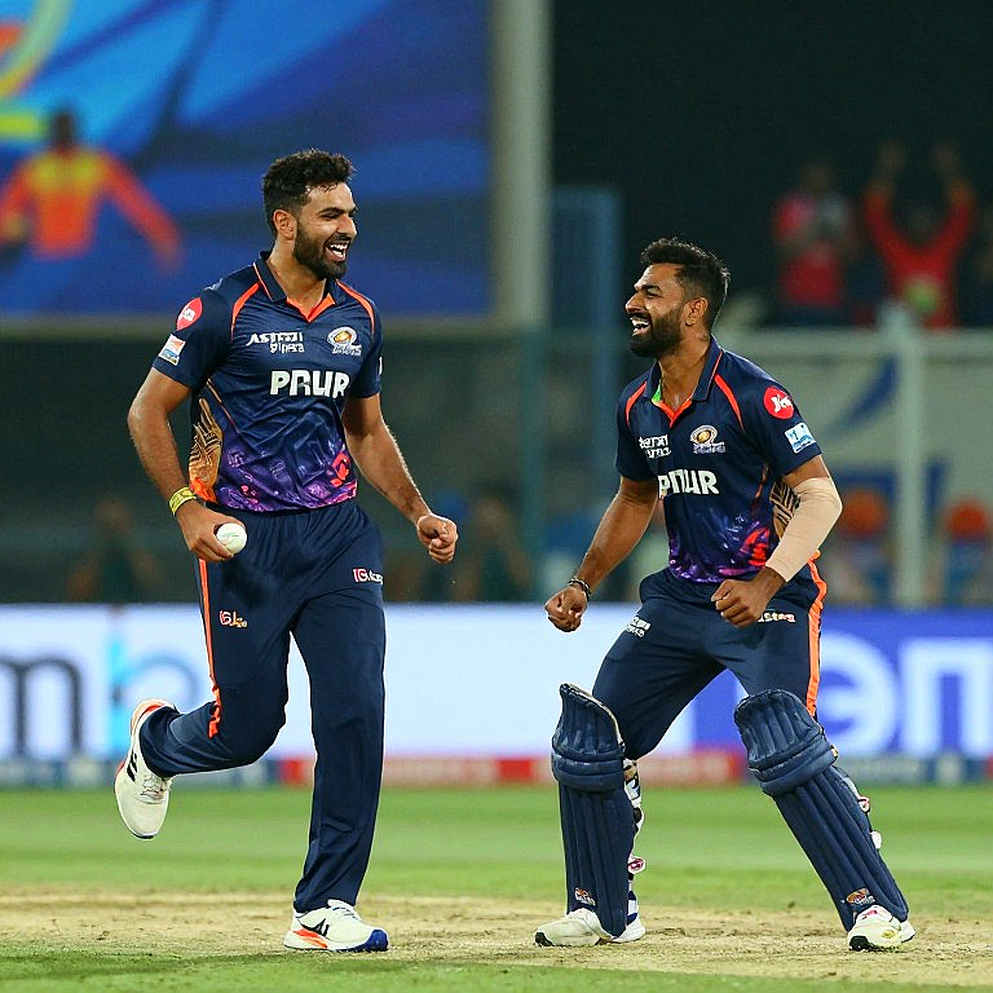
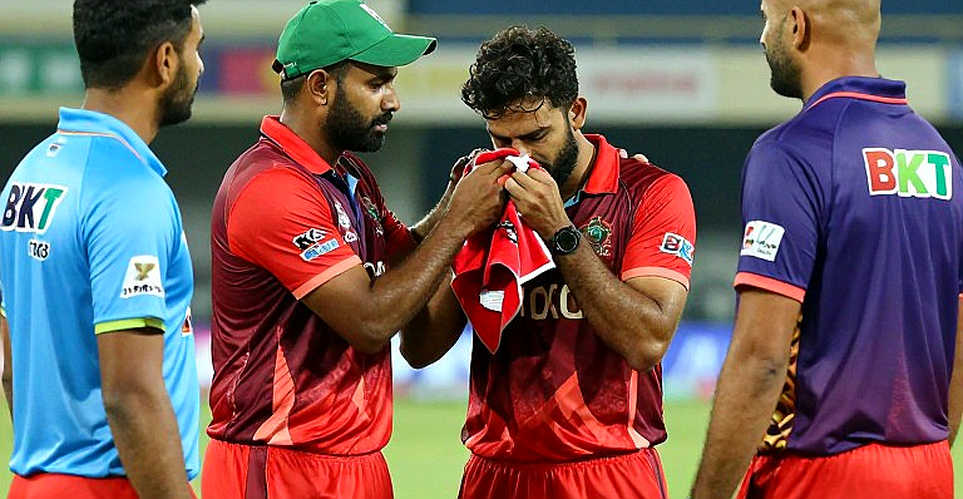
संबंधित खिलाड़ी
अनुशंसित
Third Flag, Same Question: Aliss Al Islam's Action and the Unfinished Promise of a Domestic Clearance2026-10-23
45/5 to 221/7: Sikandar Raza Asks the Right Question About Complacency, Then Answers It Wrong2026-10-31
Kotak's Praise and the Scorebook's Silence: India's 226 Chase at Christchurch2026-10-24
Sri Lanka's Historic Chase: The Echo of 93 Fours and the Tale of 552 Boundary Runs2026-10-24
Sri Lanka's Batting Legacy: 952, 624 and Holding All Three Format Records at Once2026-10-31
अनुशंसित
Windhoek ODI: Campher's Wicket, Not Namibia's 316, Was the Real Turning Point in the 63-Run Win2026-10-30
The Night of the Empty Payload: Where Cricket's Data Goes Missing Between the Stadium and the Notebook2026-10-31
Aliss Al Islam's Suspect-Action Report: The 8.3-Over Spell Is Context, Not Evidence2026-10-23
South Australia hit back from day-two wreckage, dare to dream of an epic chase2026-10-31
Ten Past Eight, and the Timezone Missing From the Card2026-10-30
अनुशंसित
The Blank Column, the Full Heartbeat: Which Doors Cricket News Passes Through on Its Way From the Field to the Reader2026-11-01
Hobart Hurricanes: Nicola Carey Takes Charge, but the Title-Defence Foundation Is Thinner Than Last Season2026-10-29
WBBL|12: 43 Matches in 38 Days and Four Neutral Games — What the Schedule Wrote vs What the Broadcast Sold2026-10-29
Nayeem Hasan's spin, Chase's rearguard and a fragile Bangladesh lead — Day 3 leaves the Test wide open2026-10-31
Empty Payload, Full Story: The Data-Integrity Crisis in Cricket Coverage2026-11-01